
Table of Contents
The Magic of Fantasy‑Driven Casinos
Something unusual happens when traditional gambling mechanics meet the imagination of a fantasy world. Modern online casinos are not just about betting anymore; they are experiences, pieces of interactive entertainment that merge game design and storytelling. I once thought a slot was simply a spinning series of reels, but then I saw what a fantasy‑driven casino could become. Platforms now wrap players inside layered environments with animated hosts, moving landscapes, and soundtracks that whisper of mystery, adventure, and even danger.
If you have ever wanted to feel like part of a magical show, a good start is to play Adventures Beyond Wonderland live. The setup feels like a digital version of a dream sequence, and that’s probably why it sticks in memory longer than most ordinary casino sessions. It’s the kind of entertainment that makes you forget, for a second, where the screen ends and the world begins.
Immersive Themes and Design
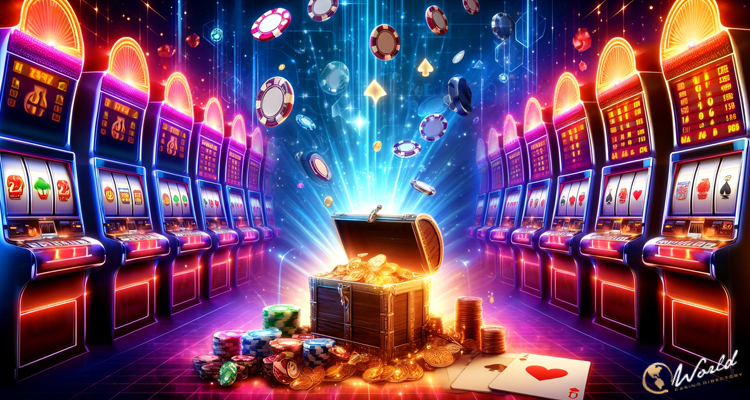
The art of casino design has evolved far beyond neon signs and card tables. Developers borrow language from film, architecture, and even theatre. The result? Worlds that respond dynamically as you navigate them. Lighting changes when bonus rounds start. Backgrounds swell with color when jackpots approach. It’s sensory storytelling by way of gameplay.
From Screens to Stories
Players don’t just click anymore—they wander, explore, and participate. This kind of transformation makes the act of gambling surprisingly narrative-driven. Perhaps not every spin has to be about winning. Sometimes it’s simply about curiosity, like watching a fantasy movie where you guide the hero rather than just observing.
Game Worlds That Feel Alive
Fantasy‑inspired casinos are often built around fictional universes. Dragons, enchanted forests, space realms—they all play into the psychology of immersion. Designers create consistency across slot reels, live tables, and mini‑games. The goal is a seamless journey. It’s fascinating how the logic of world‑building, usually reserved for open‑world games or novels, now thrives inside online casinos.
Technology and Immersion
Technological advances reinforce these illusions. Augmented interfaces, responsive chat hosts, and live dealer personas all lend realism. I once hovered over a virtual roulette wheel that pulsed with light at each spin—perhaps it sounds trivial, but it added something emotional to the experience, something near theatrical.
| Feature | Impact on Player |
|---|---|
| Visual World Design | Engages emotional response, adds depth |
| Thematic Consistency | Creates story flow between games |
| Interactive Elements | Increases engagement and retention |
Bonuses and Player Incentives
Fantasy doesn’t end at visuals; it often extends to bonuses. Casinos now craft rewards as missions—like “unlock the crystal tower” instead of plain “reach level three.” A subtle change in language, but it shapes the entire mood of playing. Bonuses become parts of quests, rather than financial triggers. This design philosophy is as much about psychology as math.
A few platforms even align their promo schedules with story events, something that feels more like a seasonal festival than a routine marketing campaign. I think that’s what keeps players returning; you’re part of an evolving universe, not just a static game menu.
| Bonus Type | Theme Integration | Example Experience |
|---|---|---|
| Welcome Quest | Introduces backstory of the world | Collect coins to unlock wizard’s portal |
| Seasonal Challenge | Follows a narrative arc | Compete in the Lunar Festival tournament |
| VIP tier | Emulates royal hierarchy | Rank up to become Master of Realms |
How Players Engage With Different Features
Players interact with fantasy‑styled casinos in changing ways depending on the depth of their involvement. For newcomers, the appeal might be simply aesthetic. For dedicated gamers, it becomes a lifestyle hobby. Here’s how engagement often unfolds:
- Initial Curiosity – Most start by testing the visuals, exploring the interface and free spins.
- Immersion Period – The fantasy elements begin to mix with personal routine; login becomes habit.
- Mastery Stage – Players actively chase specific rewards, learning the lore and symbols.
Then come community aspects: chat rooms, live tables, social leaderboards. While not every player joins in, those who do often describe it as part of a club. This gives an emotional resonance that goes beyond luck.
- Designers focus on atmosphere first, gameplay second.
- Bonuses evolve dynamically to maintain curiosity.
- Fantasy art drives emotional satisfaction.
The variety of themes matters. When everything resembles a generic slot lobby, excitement fades quickly, but when each title feels crafted, users stay longer. Today’s gamblers are visual explorers.
| Engagement Level | Common Behavior | Representative Games |
|---|---|---|
| Casual | Occasional play, visual curiosity | Myth‑based slots, light fantasy themes |
| Engaged | Regular participation in seasonal events | Interactive game shows, narrative drives |
| Dedicated | Active in VIP or loyalty storylines | Persistent worlds with live hosts |
FAQ
1. Are fantasy‑based casinos only for gamers?
Not at all. Many newcomers find them enjoyable simply for the artistry. The gambling component remains intact; it’s just framed through a creative lens that makes playing more inviting.
2. Do fantasy themes affect winning chances?
No, outcomes remain based on fair statistical models. The theme only modifies presentation, not probability, which still depends on random number generators or live dealing rules.
3. Why are these platforms becoming popular?
Because they merge storytelling with entertainment. People now expect more immersion from every digital experience, and casinos are adapting to match that expectation.
4. Is there a downside?
Some players may get so caught up in the narrative that they forget to take breaks. It’s important to play responsibly and keep track of both time and spending.
5. What’s next for fantasy‑driven casinos?
Likely deeper interaction using VR and live participation, possibly connecting the imaginative worlds even closer to social dynamics.